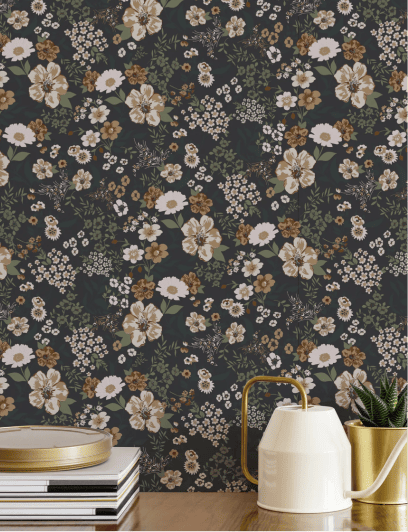
Prep Matched to the Decade
Tell us roughly when the house went up. A 1920s bungalow with plaster and many-coat trim gets a different prep plan from a 2005 house with drywall, and the prep differs.

Services
Wallpaper InstallationWallpaper SourcingInterior PaintingCabinet PaintingAreas Served
Carolina Beach, NC
Kure Beach, NC
Wrightsville Beach, NC
Jacksonville, NC
Swansboro, NC
North Topsail Beach, NC
Holly Ridge, NC
Richlands, NC
Sneads Ferry, NC
Surf City, NC
Hubert, NC
Burgaw, NC
Surf City, NC
Topsail Beach, NC
Hampstead, NC
Rocky Point, NC
Scotts Hill, NC
Bald Head Island, NC
Belville, NC
Boiling Spring Lakes, NC
Bolivia, NC
Calabash, NC
Carolina Shores, NC
Caswell Beach, NC
Holden Beach, NC
Leland, NC
Navassa, NC
Oak Island, NC
Ocean Isle Beach, NC
Shallotte, NC
Southport, NC
St. James, NC
Sunset Beach, NC
Raleigh, NC
Myrtle Beach, SC
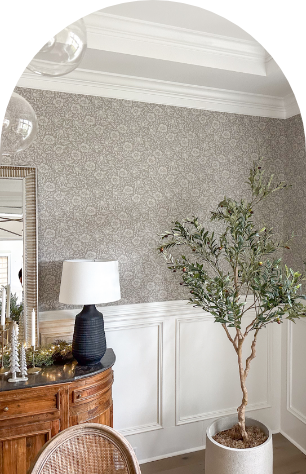
Raleigh's housing spans every era. According to the Census Bureau's 2020-2024 American Community Survey, 23.1 percent of the city's homes were built before 1980, and 2.5 percent date from 1939 or earlier. At the other end, 61.5 percent went up in 1990 or later, and the median home was built in 1997.
The old end is easy to name. The city describes its Oakwood overlay district, with a period of significance from 1880 to 1941, as holding Raleigh's largest collection of nineteenth-century Victorian-era dwellings. In Boylan Heights, dating from 1907 to 1930, Craftsman bungalows dominate. Walls in houses of that age may be plaster under many coats of earlier paint, and trim may carry old oil-based layers, so cracks are opened and filled and glossy trim is primed before any new color goes on.
Age also raises the lead question. Under federal EPA rules, paid work that disturbs paint in most homes built before 1978 must follow lead-safe practices. With about 52,000 Raleigh homes built before 1980, ask about it before you book.
A house from the 1990s or later is more likely to be drywall throughout, where prep is mostly nail pops, dings and patched holes. Raleigh's historic design review is limited to exterior changes, so a repaint indoors falls beyond it.
The drive from Judges Road to Raleigh City Hall covers about 127 road miles. Painting here would be by arrangement.
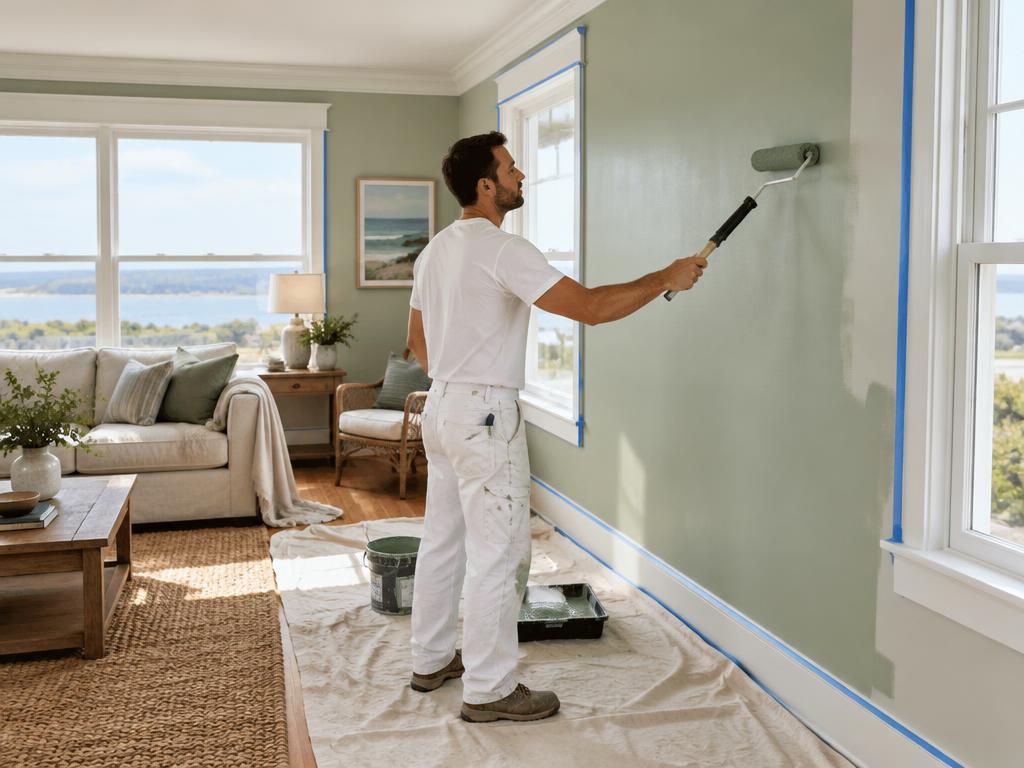
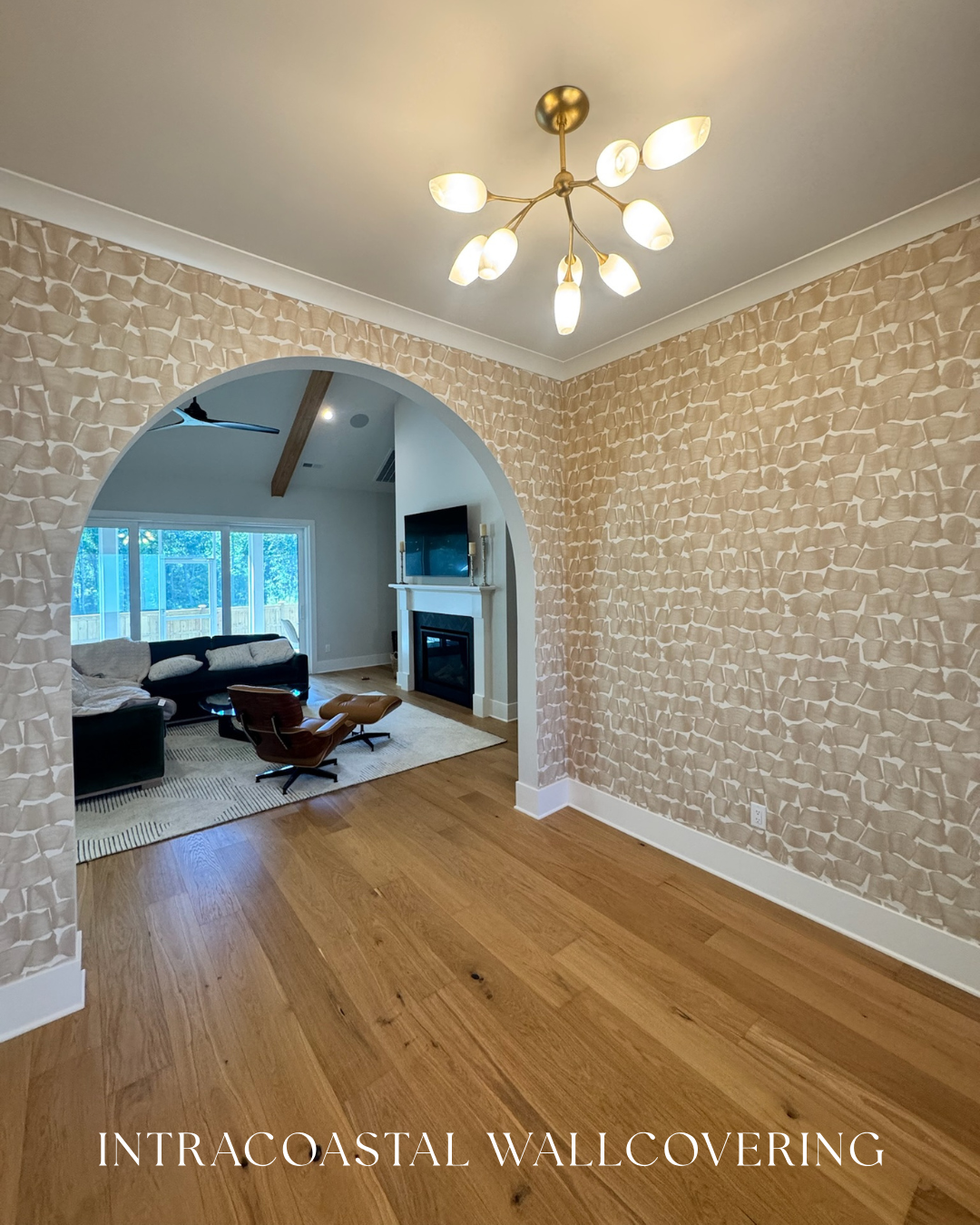
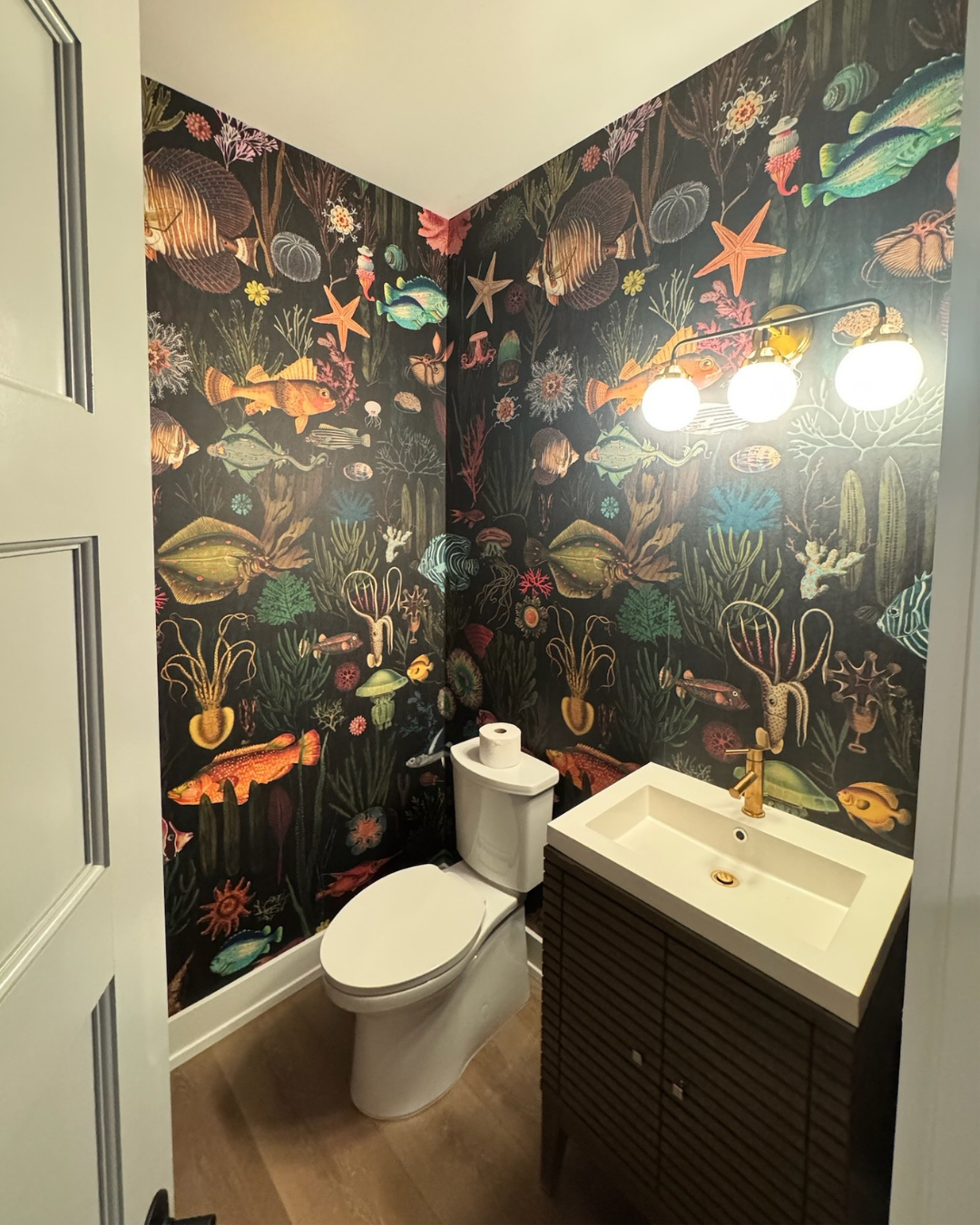
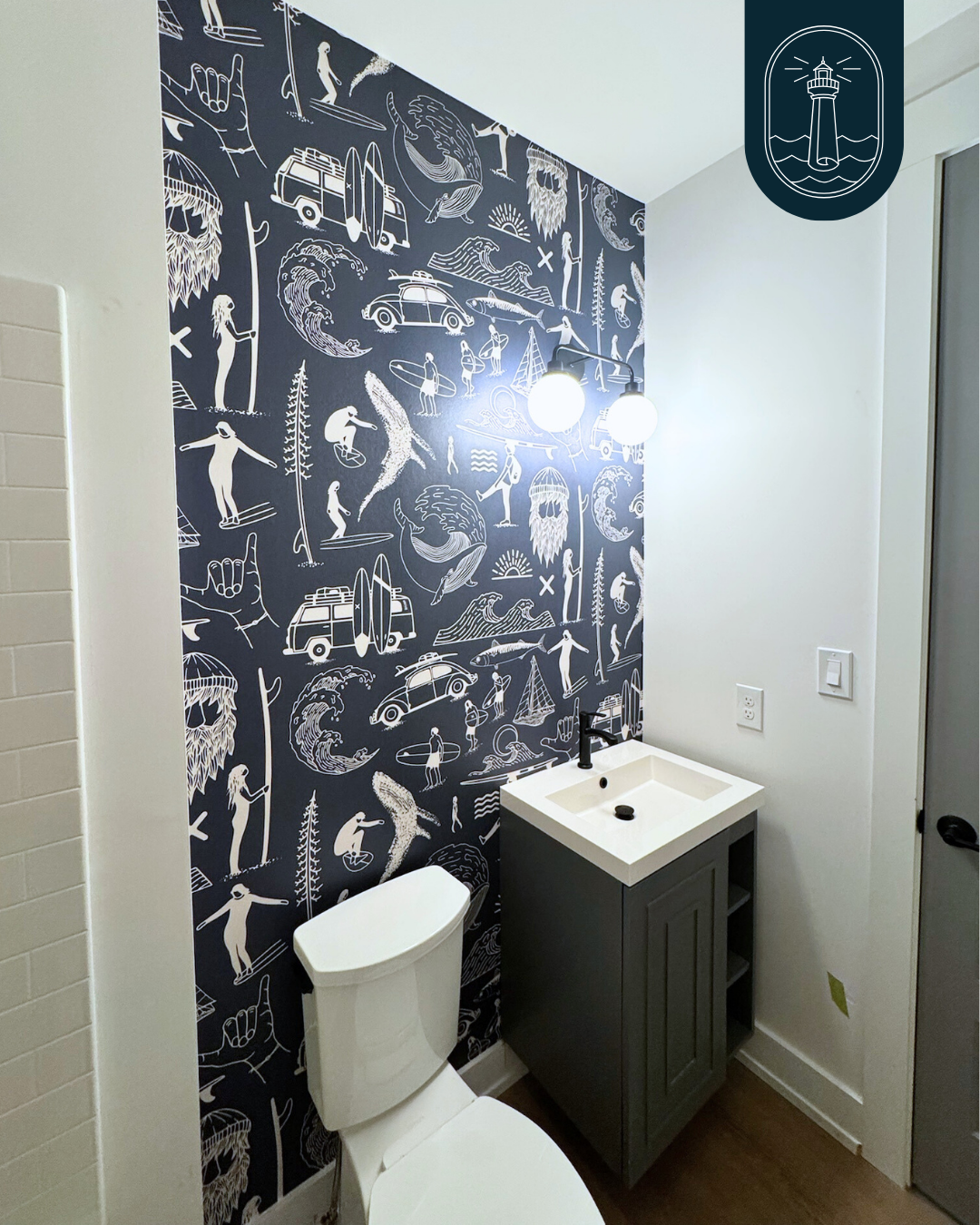
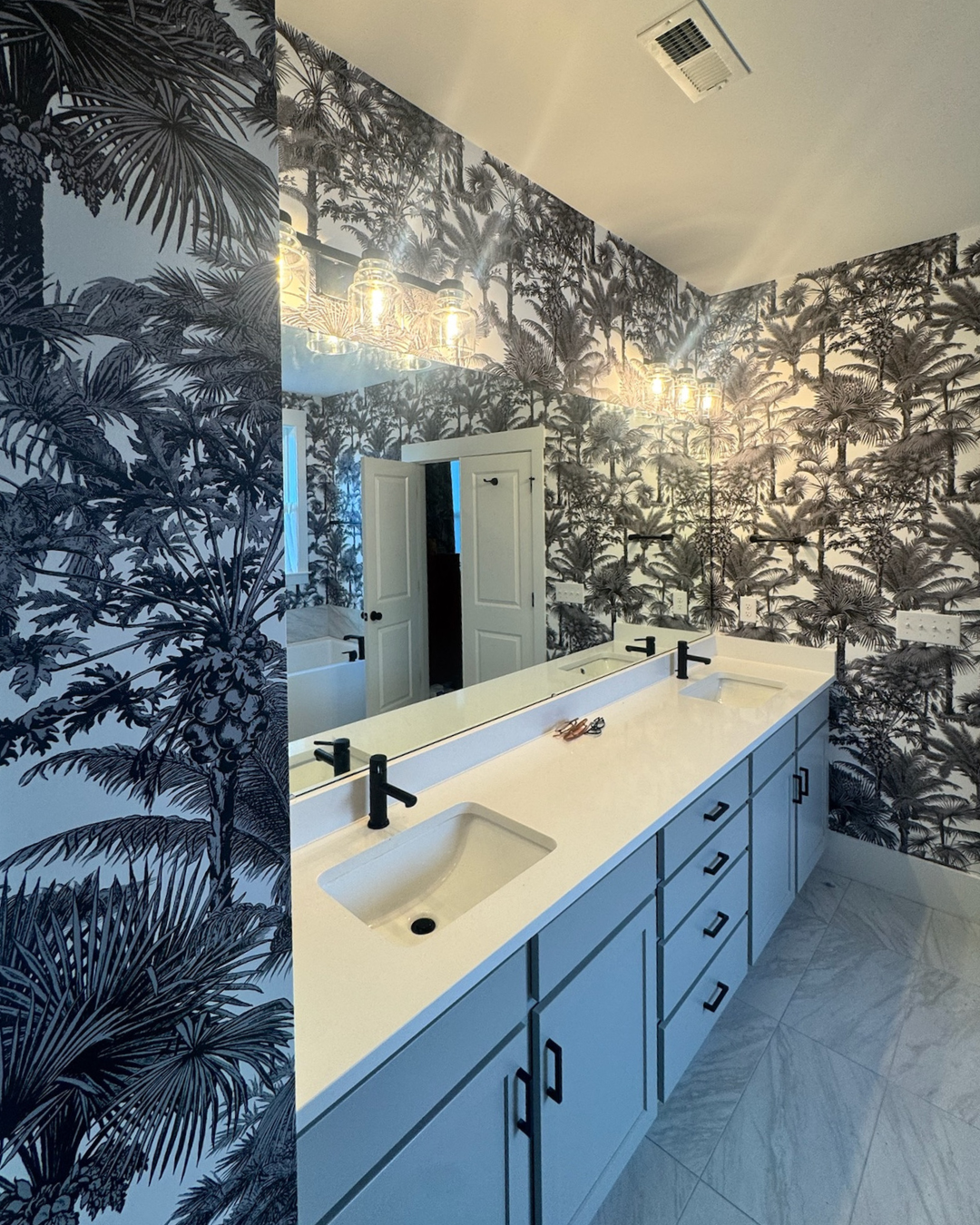
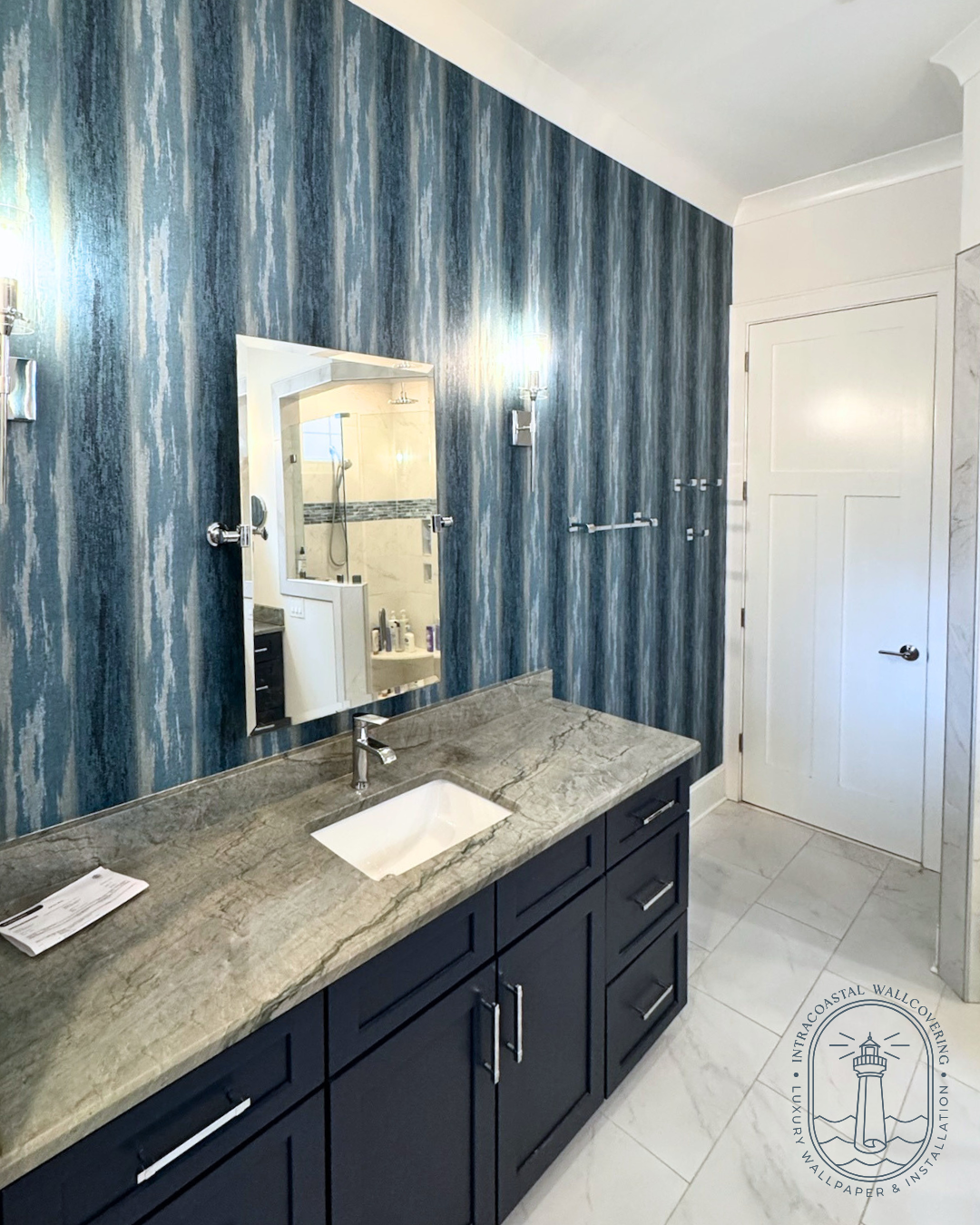
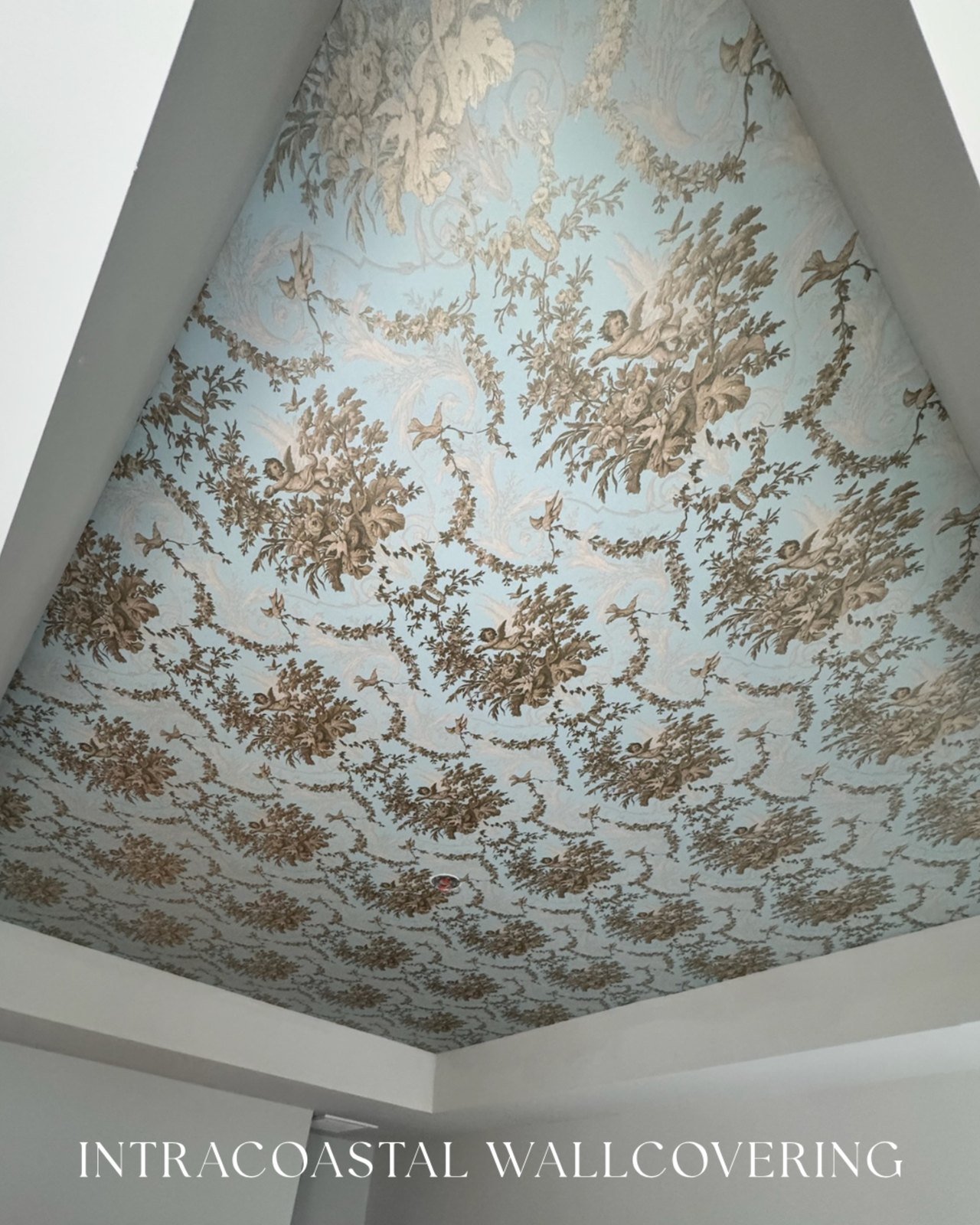
Since we hang wallpaper as well as paint, one Raleigh project could pair painted rooms with a papered one. Our $2M general liability and workers' comp cover whoever paints your rooms. Each step is laid out in detail on our page about how our interior painting works. Some steps hold in any house; others depend on the decade it was built. If paper is planned for any room, say so when you request the estimate.
Walls, ceilings, trim and doors in the rooms you pick
Holes and cracks filled and sanded flush
Stains spot-primed before color
Floors and furniture covered
A walkthrough together, then cleanup
Before 1978, the first question is lead. Under federal EPA rules, paid work that disturbs paint in most homes built before 1978 must follow lead-safe practices, and the room is sealed off while old paint is scraped or sanded. Plaster in an older house gets its cracks opened, filled and primed so they do not reappear through fresh paint. Trim with old oil-based coats needs a bonding primer before latex will hold. Ceilings in older houses may show cracks along the lath lines, and loose sections are secured before paint. A house from the 1960s or 1970s may have either plaster or drywall, so the wall type is checked before quoting. In a house built from 1990 on, prep usually shifts to drywall: popped screws reset, seams checked, dents patched.
Tell us roughly when the house went up. A 1920s bungalow with plaster and many-coat trim gets a different prep plan from a 2005 house with drywall, and the prep differs.
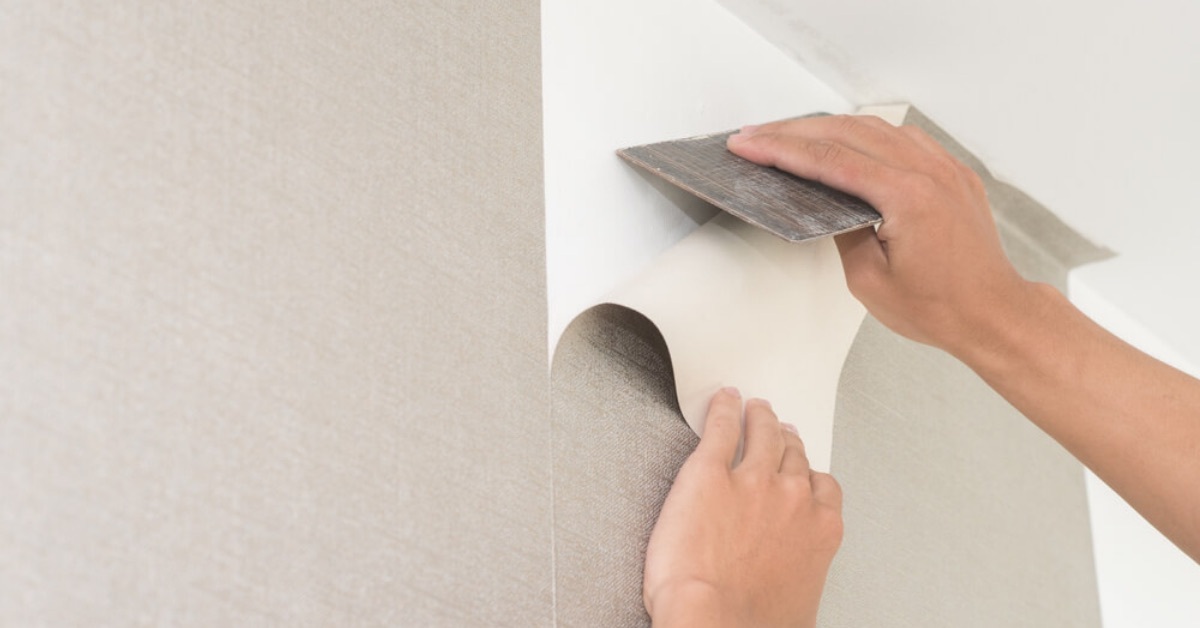
About 52,000 Raleigh homes predate 1980. If yours is one, the way scraping and sanding would be contained is explained on the first call, before you commit to anything.
A Raleigh trip could cover painted rooms and a papered one together, from a company that does both. Fewer separate trades in the house, and one schedule to agree.
Our shop is about 127 road miles from Raleigh City Hall, and we have no Raleigh crew. Painting here would be by arrangement, with travel set out plainly. We call before we arrive.
From the first conversation to the finished room.
01Pick the build-year range on the estimate form and list the rooms in the notes box. Photos of cracked plaster or worn trim help; send them with your estimate request.
02Your build year shapes the prep plan, and for a house from before 1978 the lead-safe containment is listed in writing. The cost of the trip from Wilmington is quoted with it.
03Repairs come first: cracks, holes and popped screws. Problem spots are primed, and color goes on ceilings, then walls, then trim. We call before we arrive.
04Before anyone packs up, you go room by room and flag any spot you want touched up, and it is done while the painter is still there.
Two Raleigh rooms of the same size can price differently if one sits in a 1920s house and the other in a 2010s one, because the prep is not the same. The price depends on:
Room size and ceiling height
Surfaces: walls, ceilings, trim and doors
Wall condition: plaster cracks, old patches, nail pops
Priming over old oil-based trim
Lead-safe prep and containment in a pre-1978 house
Number of colors and sheens
The age of the house can move the price a good deal. Where a house from the 1990s on needs only light patching, more of the cost goes to painting the walls themselves. Travel from Wilmington, about 127 road miles each way, would be priced as well, and a minimum job may apply. For a Raleigh repaint, the quote is the quote we honor. Military households save 10%.
Our W-2 crew strips old paper, repairs the wall and hangs the new pattern with hand-cut corners.
Trade papers found and ordered to sit beside freshly painted walls.
From our Wilmington base, we serve Raleigh and the surrounding Standalone Markets area, plus the rest of the coastal Carolinas corridor.
Tell us the rooms and roughly when the house was built, and request your estimate.