Past the Builder Flat
Original flat paint in a post-2000 house marks easily and resists scrubbing. Your new coat goes on in a sheen that wipes down, once the scuffs are washed off and patches are primed.

Services
Wallpaper InstallationWallpaper SourcingInterior PaintingCabinet PaintingAreas Served
Carolina Beach, NC
Kure Beach, NC
Wrightsville Beach, NC
Jacksonville, NC
Swansboro, NC
North Topsail Beach, NC
Holly Ridge, NC
Richlands, NC
Sneads Ferry, NC
Surf City, NC
Hubert, NC
Burgaw, NC
Surf City, NC
Topsail Beach, NC
Hampstead, NC
Rocky Point, NC
Scotts Hill, NC
Bald Head Island, NC
Belville, NC
Boiling Spring Lakes, NC
Bolivia, NC
Calabash, NC
Carolina Shores, NC
Caswell Beach, NC
Holden Beach, NC
Leland, NC
Navassa, NC
Oak Island, NC
Ocean Isle Beach, NC
Shallotte, NC
Southport, NC
St. James, NC
Sunset Beach, NC
Raleigh, NC
Myrtle Beach, SC
Carolina Shores housing falls into two groups. The Census Bureau's 2020-2024 American Community Survey counts 63.2 percent of homes as built in 2000 or later, with a median build year of 2004. Another 33.8 percent, about a third, went up between 1980 and 1999.
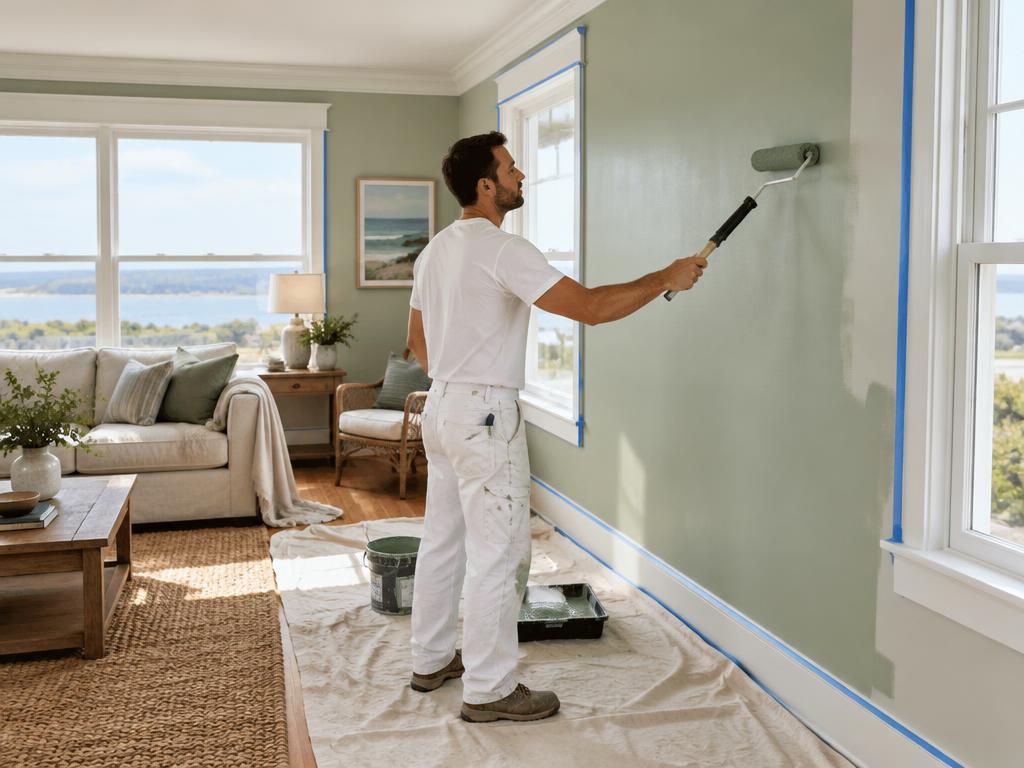
The newer majority often still has its builder finishes, or one repaint at most: flat wall paint that scuffs easily and does not take scrubbing, with semi-gloss trim. Repainting it is mostly cleaning, light patching and choosing a sheen that wipes clean. A popped fastener or hairline corner crack may turn up and is filled first.
The older third is a different job. A house from the 1980s or 1990s has had a quarter century or more to collect repaints and repairs, so prep can run heavier: earlier patches that show through, drips built up on trim, old stains to seal and caulk that has pulled away. Trim from that era may carry a glossy older coat that needs a bonding primer before new paint will hold. Tell us roughly when yours was built, so prep is planned for the right group.
Very little of the town predates 1980, roughly 3 percent by the survey's estimate, with a wide margin. Federal EPA lead-safe rules for paid painting work apply to most homes built before 1978, so they reach only a few Carolina Shores houses; if yours is one, say so before any date is set.
Carolina Shores Town Hall is roughly 54 road miles by car from our Judges Road shop.
We hang wallpaper and paint interiors, so a house that needs both books one company. Your painter is on our team and covered by our $2M general liability and workers' comp. The step-by-step method lives on our interior painting page. The standard scope applies everywhere; what changes in Carolina Shores is which group your house falls in.
Walls, ceilings, trim and doors in the rooms you pick
Holes and dents filled, then sanded level
Separated caulk at trim and baseboards renewed
Stains sealed with primer before color
Floors protected, furniture shifted or covered
A last walkthrough together, then cleanup
In a house built since 2000, builder flat comes off the walls with a scrub brush, so prep starts with a gentle wash that lifts scuffs without burnishing the old paint. Patches get spot primer, because filler under a sheen finish tends to show as a dull spot, and semi-gloss trim is lightly sanded so the new coat grips. In a Carolina Shores house from the 1980s or 1990s, prep takes longer. Old patches are feathered out again, paint drips built up on trim are sanded flat, water or smoke stains are sealed with a stain-blocking primer, and glossy older trim is tested and primed for bonding where it needs it. In either group, a move from white or beige to a deep color, or back, may need an extra coat. If you would rather keep white ceilings, say so in the notes when you request the estimate.
Original flat paint in a post-2000 house marks easily and resists scrubbing. Your new coat goes on in a sheen that wipes down, once the scuffs are washed off and patches are primed.
About a third of Carolina Shores homes date from 1980 to 1999. In those, old patches, trim drips and stains are sanded, sealed and primed before color, so the new coat sits on sound surfaces.
Few Carolina Shores homes predate 1980. If yours does, ask how lead-safe prep works and you get a straight reply before any date is booked. If it doesn't, the question never comes up.
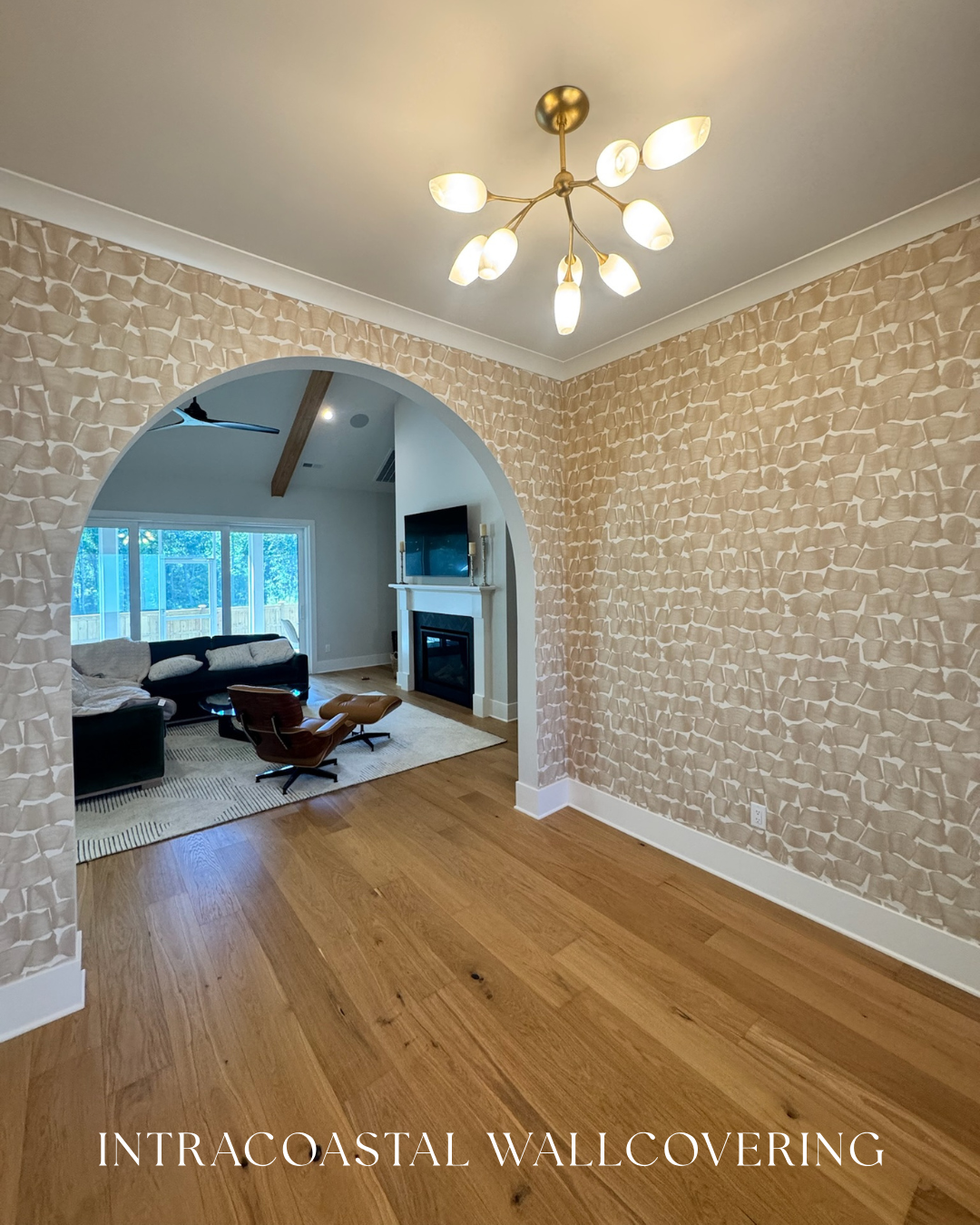
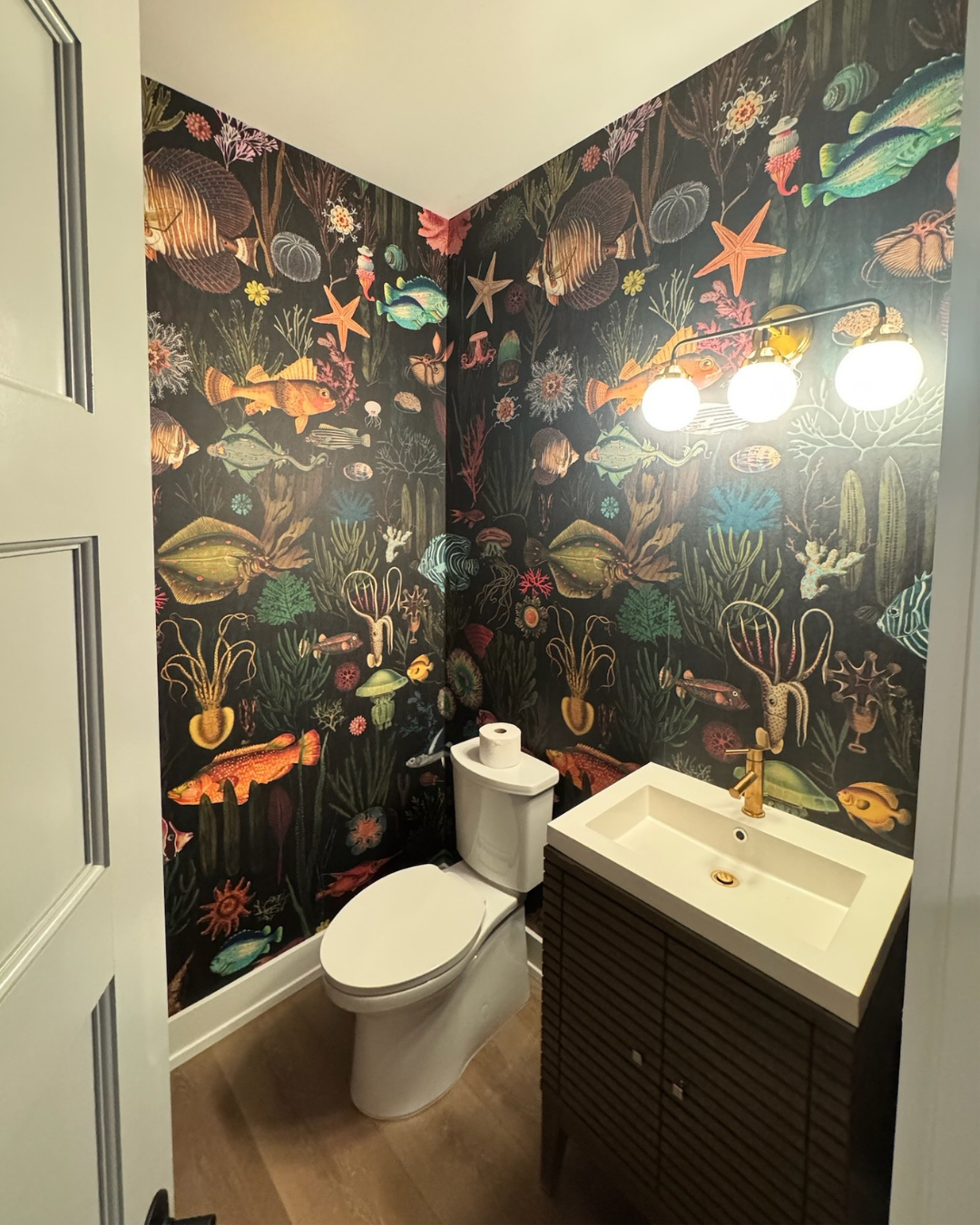
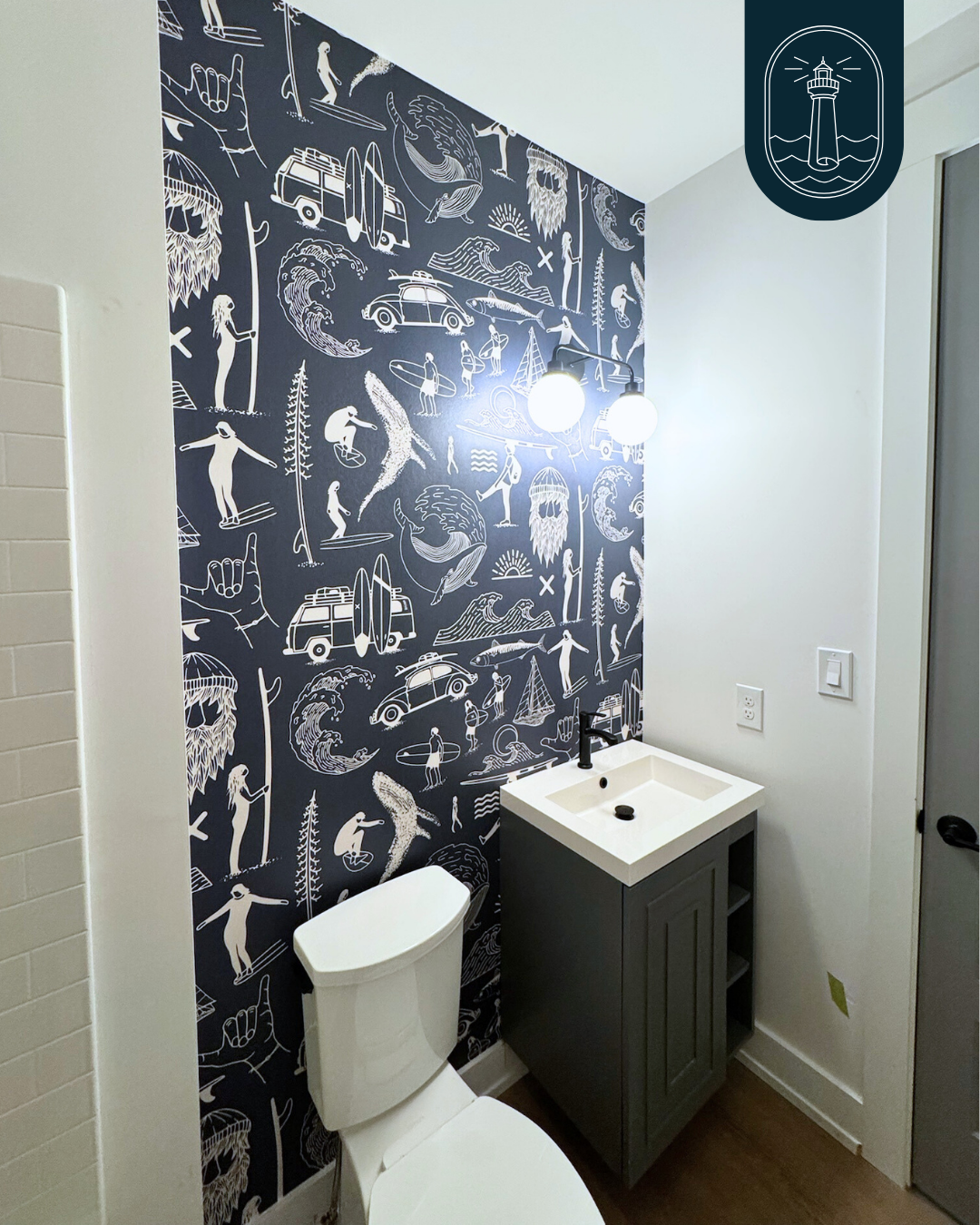
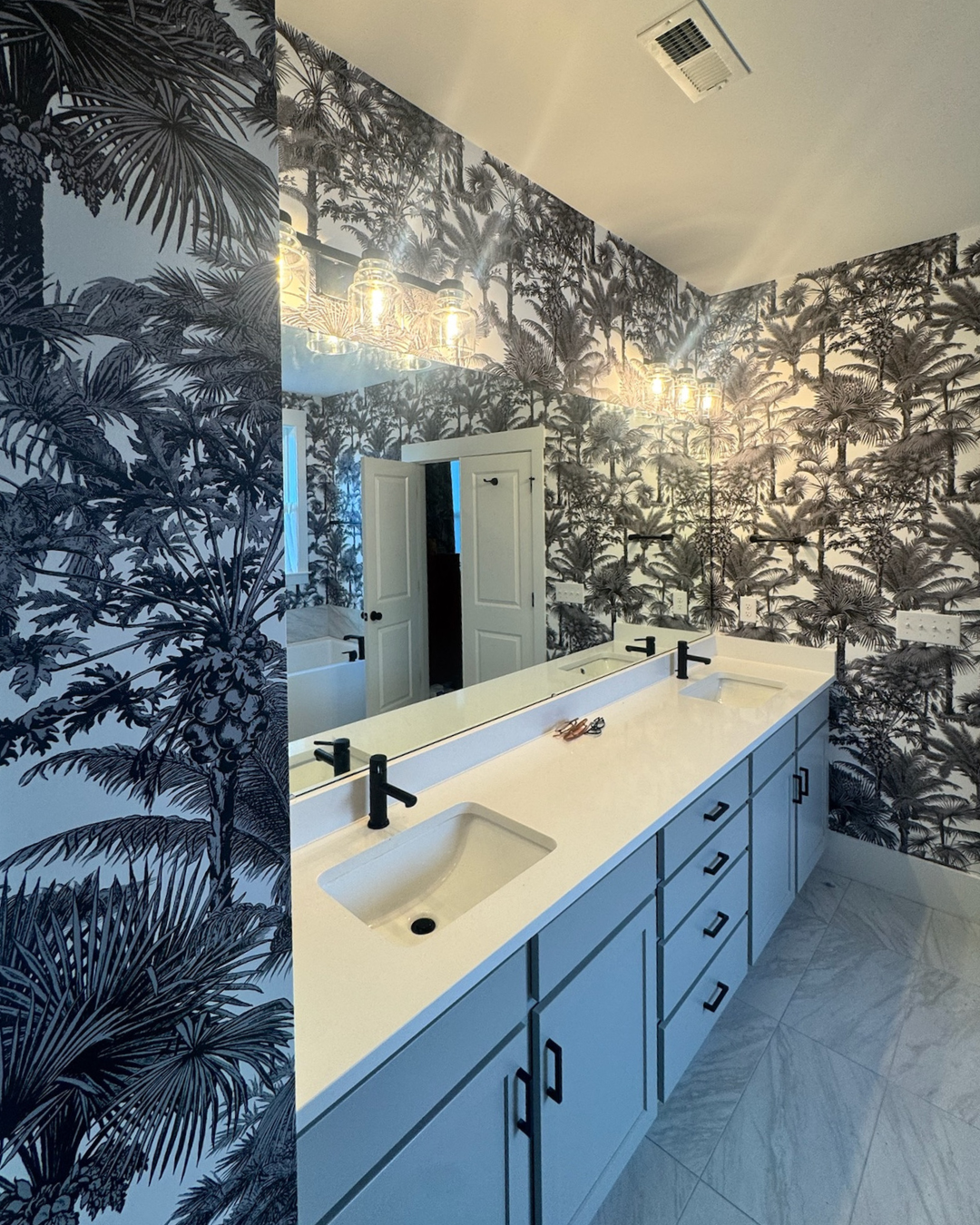
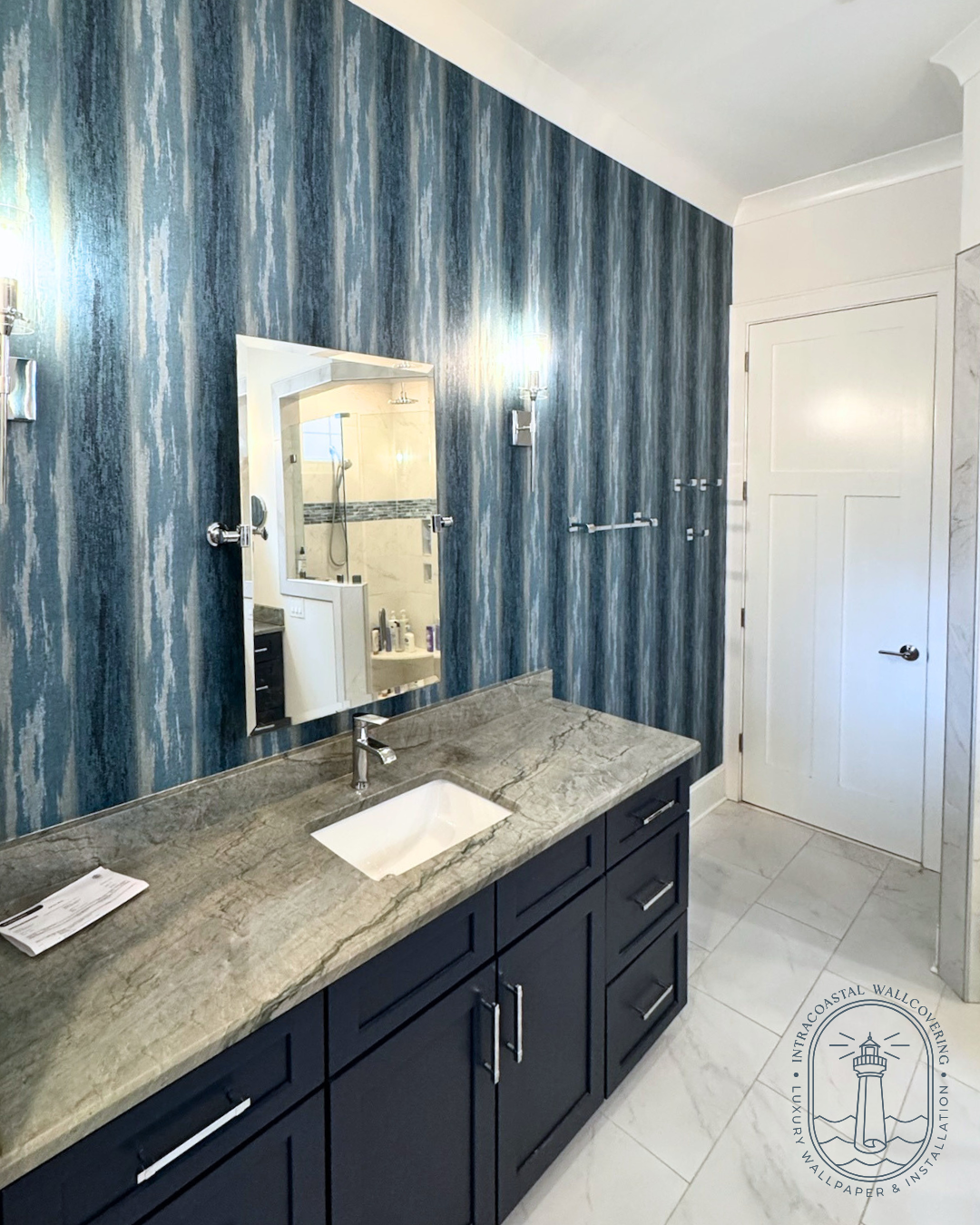
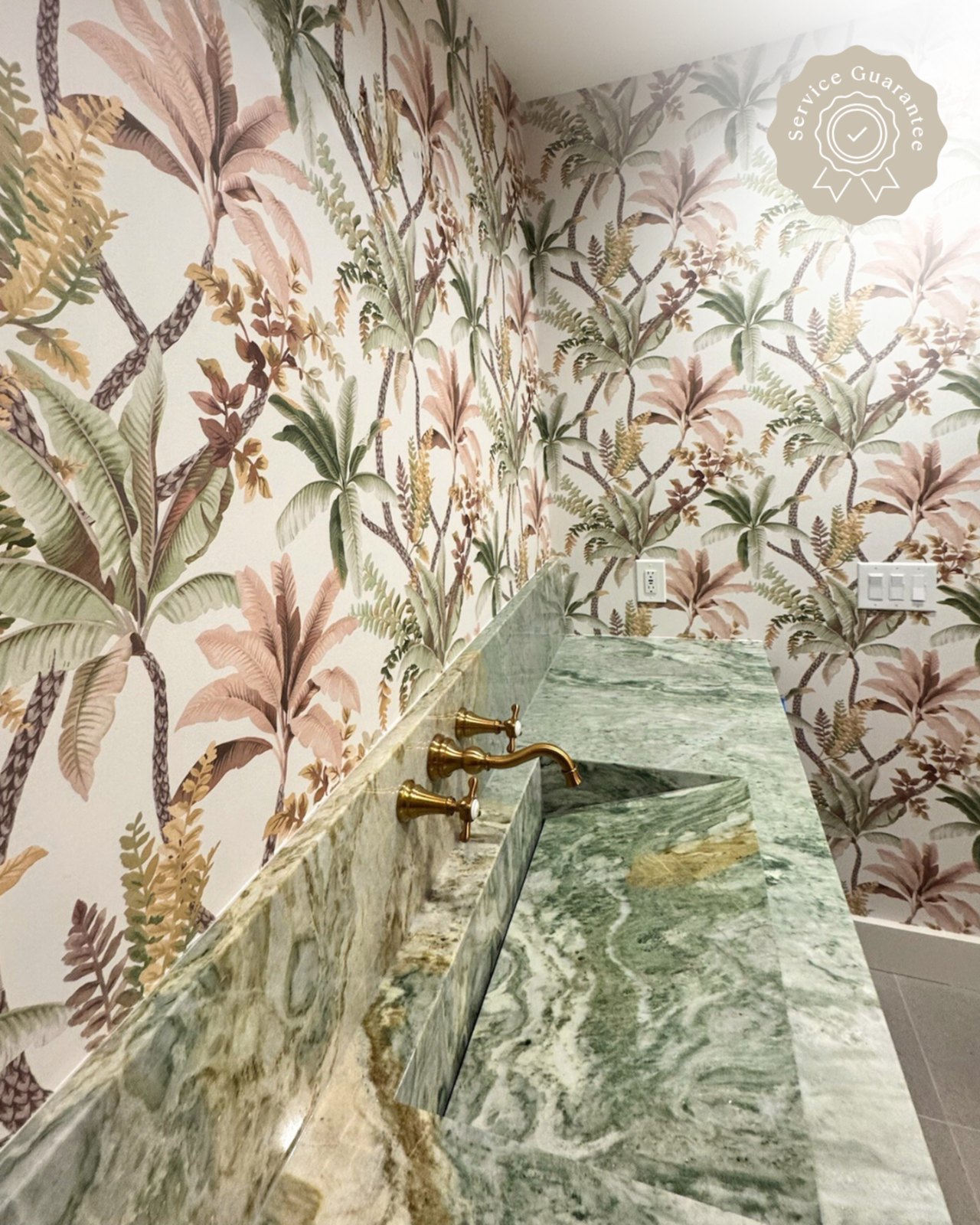
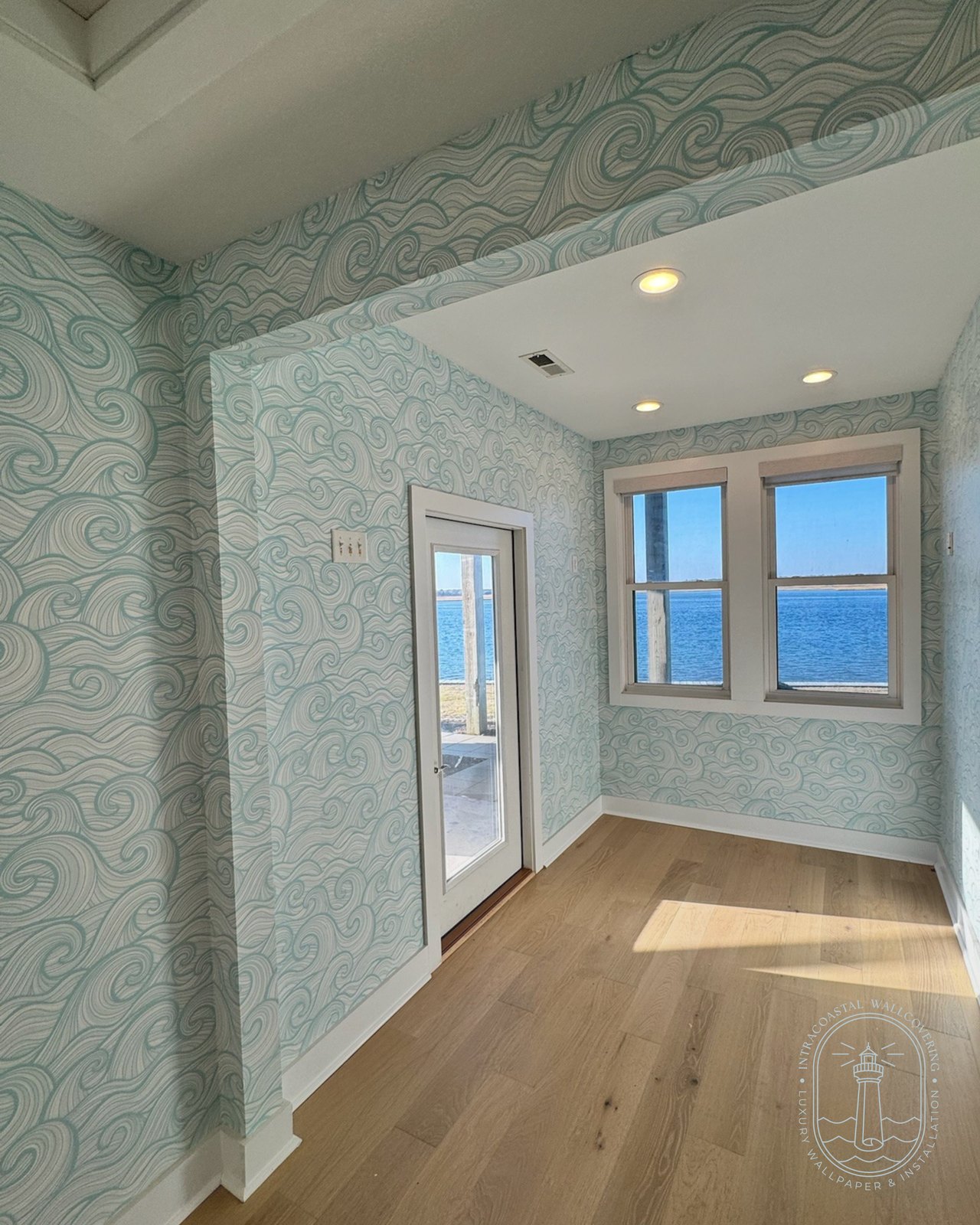
Want a papered feature wall next to freshly painted rooms? Both trades come from one company, and the paint in that room is finished before any paper is hung.
From the first conversation to the finished room.
01Request an estimate with the rooms in the notes, roughly when the house was built, and whether the builder's paint is still on the walls.
02Colors and sheens are settled with you, usually moving builder flat to something washable where the room sees wear.
03A newer house gets washing and spot-priming; a 1980s or 1990s house gets more sanding, sealing and priming. Then color goes on.
04We call before we arrive each day. On the last one, walk the rooms with your painter and point out anything that needs a touch-up.
The estimate is built from the rooms you list, not from a flat rate per room. In a Carolina Shores house built since 2000, prep is often light. The number moves with:
Room count, size and ceiling height
Surfaces: walls only, or ceilings, trim and doors as well
Patches, stains and trim build-up to repair, more likely in a 1980s or 1990s house
A large color change, dark to light or the reverse, which may take another coat
Moving from builder flat to a washable sheen
Glossy older trim that needs a bonding primer
In a Carolina Shores house from 1980 to 1999, heavier prep can move the price a good deal. Few houses here need lead-safe setup, but one built before 1978 would. Whichever group your house falls in, the quote is the quote we honor. Military households save 10%.
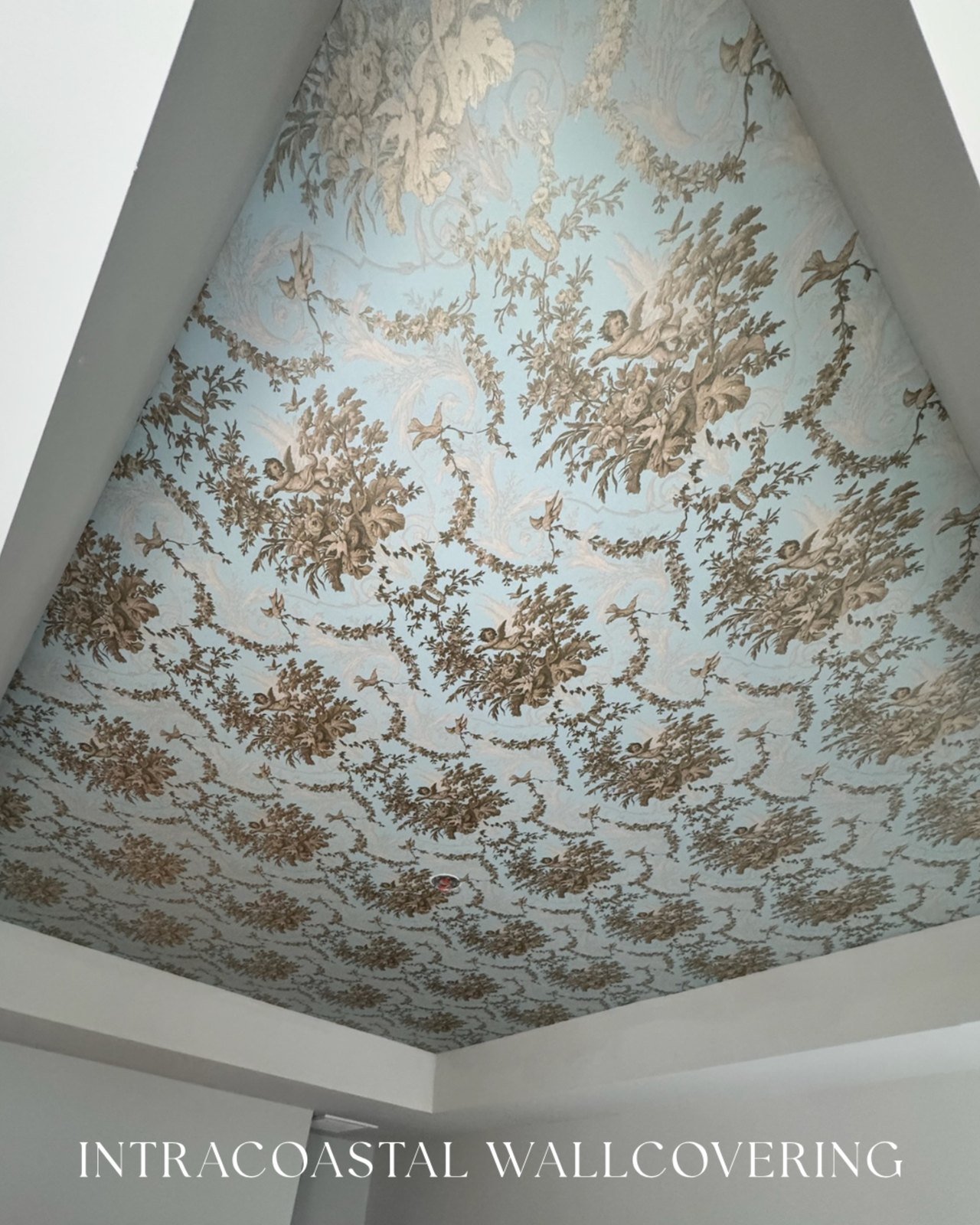
A feature wall or a whole room in paper, hung by a W-2 crew that cuts every inside corner by hand.
Need a paper to go with the new colors? We source designer and trade lines.
From our Wilmington base, we serve Carolina Shores and the surrounding Brunswick County area, plus the rest of the coastal Carolinas corridor.
Tell us the rooms and the house's rough build year to request an estimate.