Packed for One Trip Aboard
A forgotten tool on the mainland can cost an island job its day. Our kit is sized to the 8-foot, one-person rule and checked before the boat, so the work starts when we land.

Services
Wallpaper InstallationWallpaper SourcingInterior PaintingCabinet PaintingAreas Served
Carolina Beach, NC
Kure Beach, NC
Wrightsville Beach, NC
Jacksonville, NC
Swansboro, NC
North Topsail Beach, NC
Holly Ridge, NC
Richlands, NC
Sneads Ferry, NC
Surf City, NC
Hubert, NC
Burgaw, NC
Surf City, NC
Topsail Beach, NC
Hampstead, NC
Rocky Point, NC
Scotts Hill, NC
Bald Head Island, NC
Belville, NC
Boiling Spring Lakes, NC
Bolivia, NC
Calabash, NC
Carolina Shores, NC
Caswell Beach, NC
Holden Beach, NC
Leland, NC
Navassa, NC
Oak Island, NC
Ocean Isle Beach, NC
Shallotte, NC
Southport, NC
St. James, NC
Sunset Beach, NC
Raleigh, NC
Myrtle Beach, SC

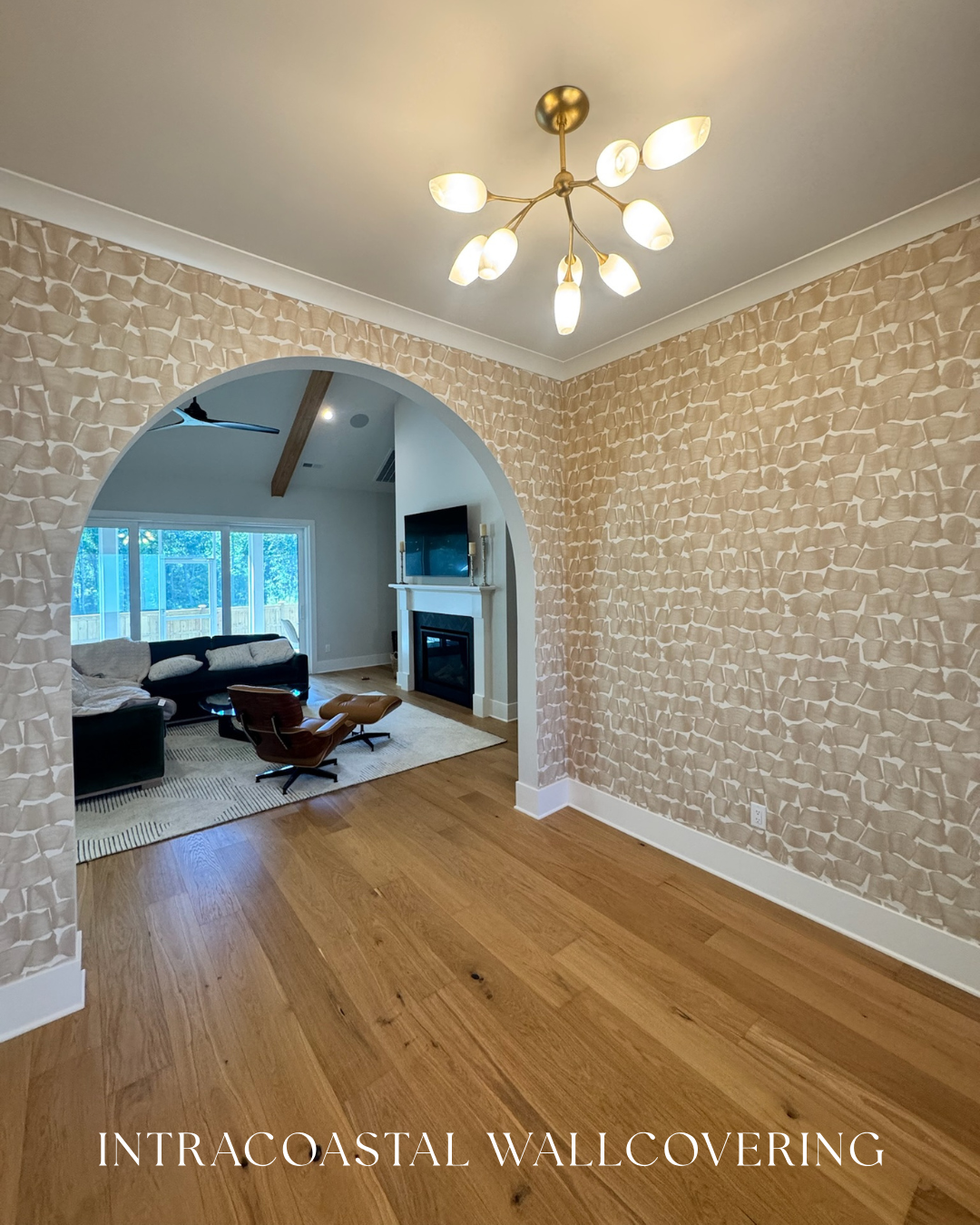
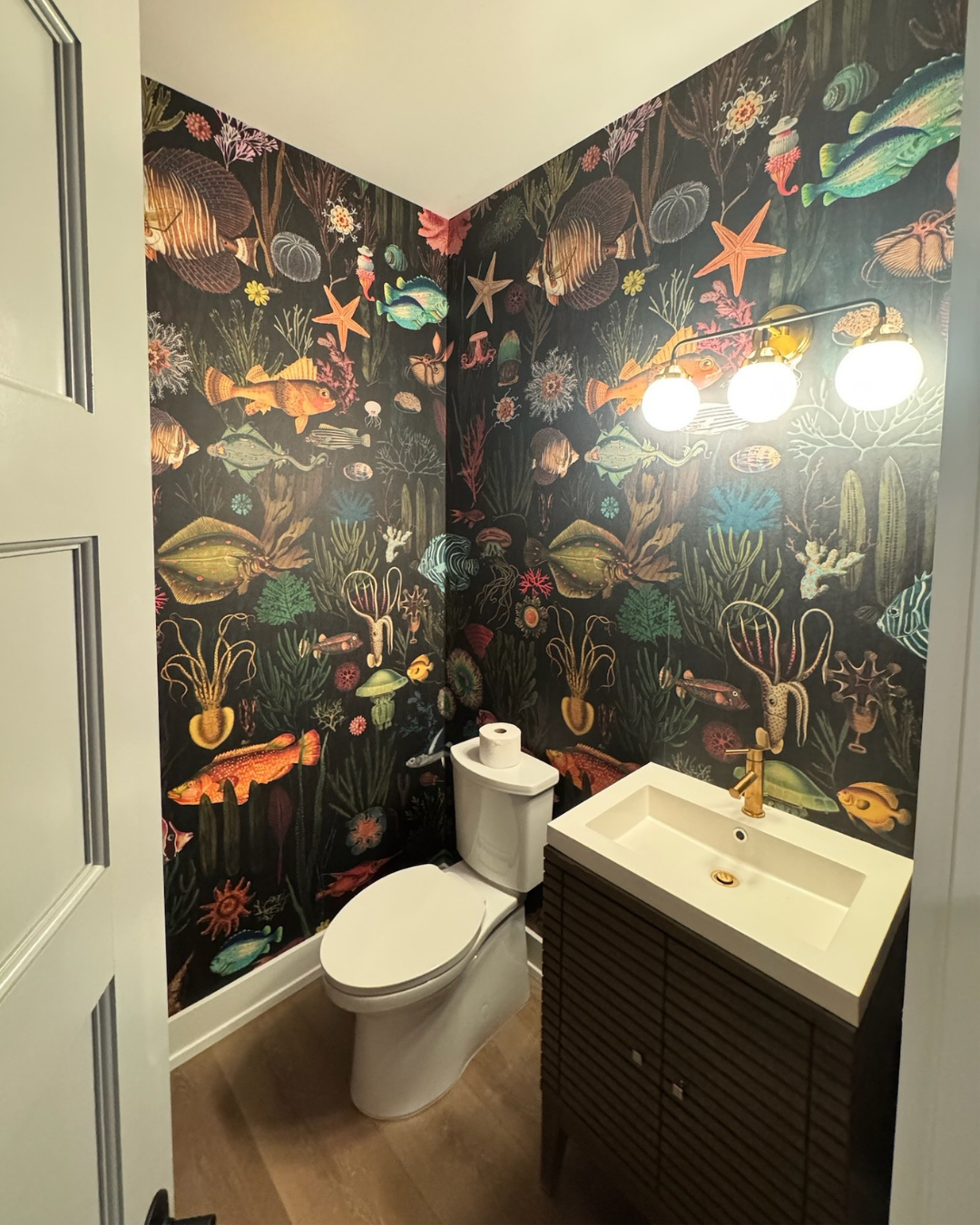
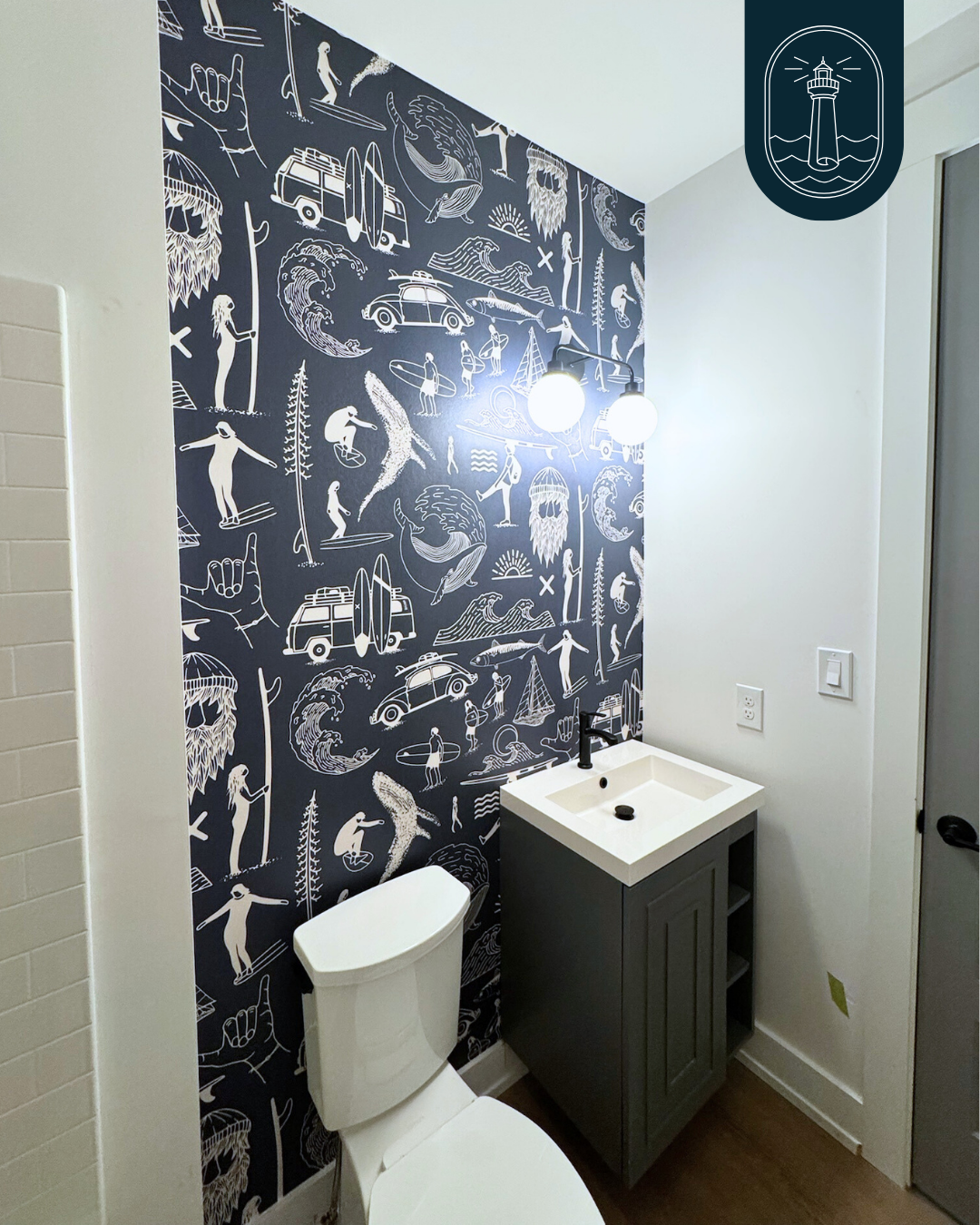
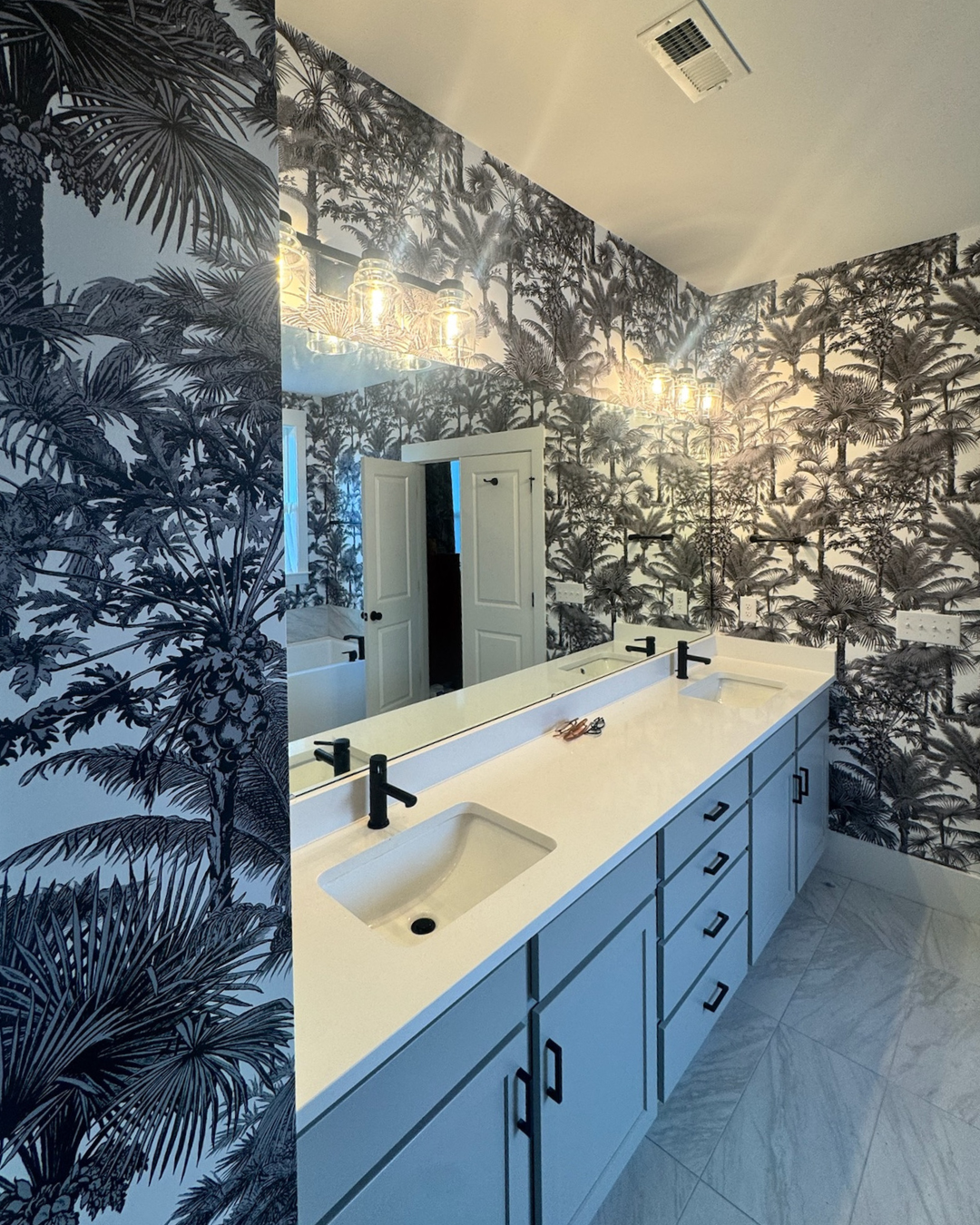
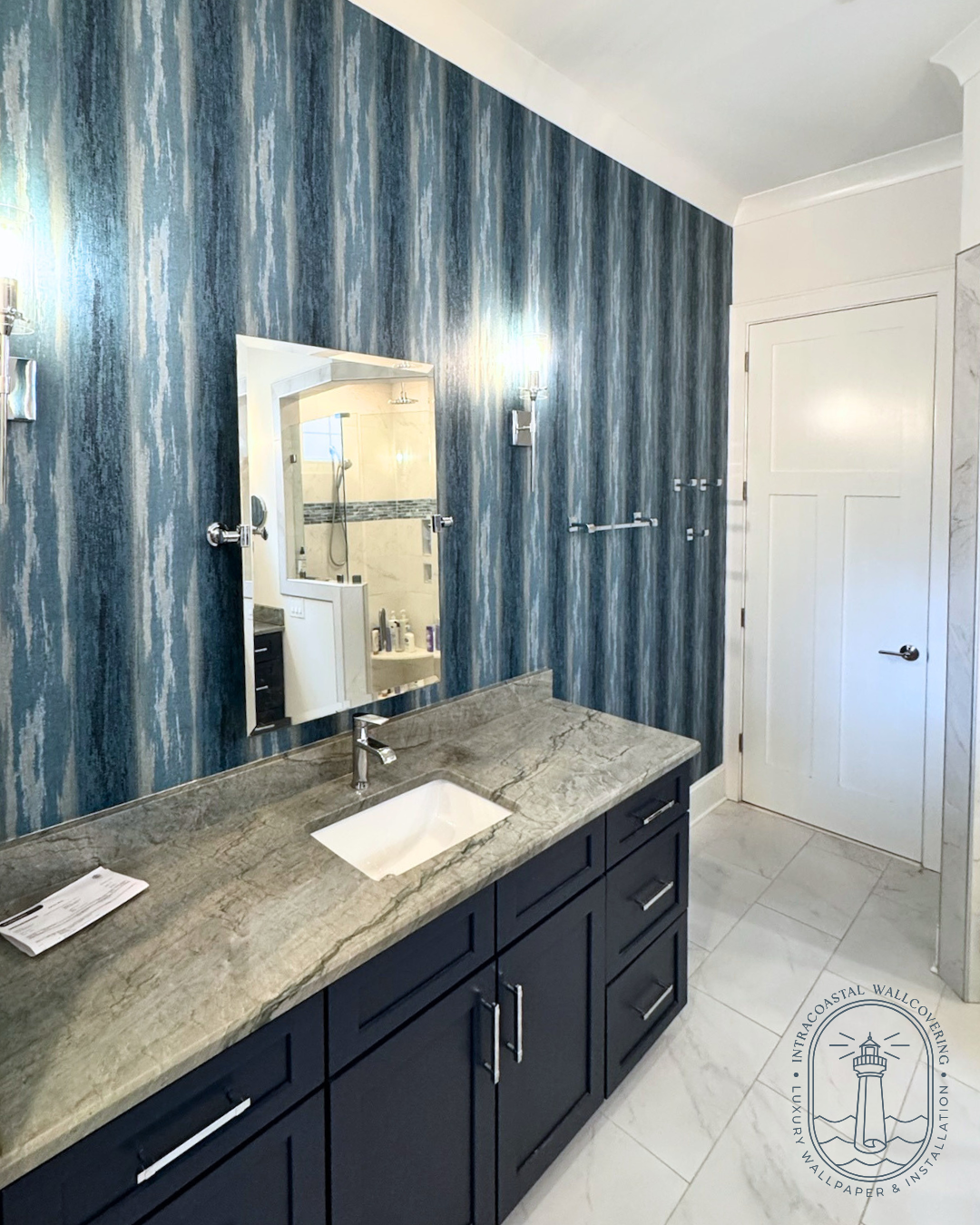
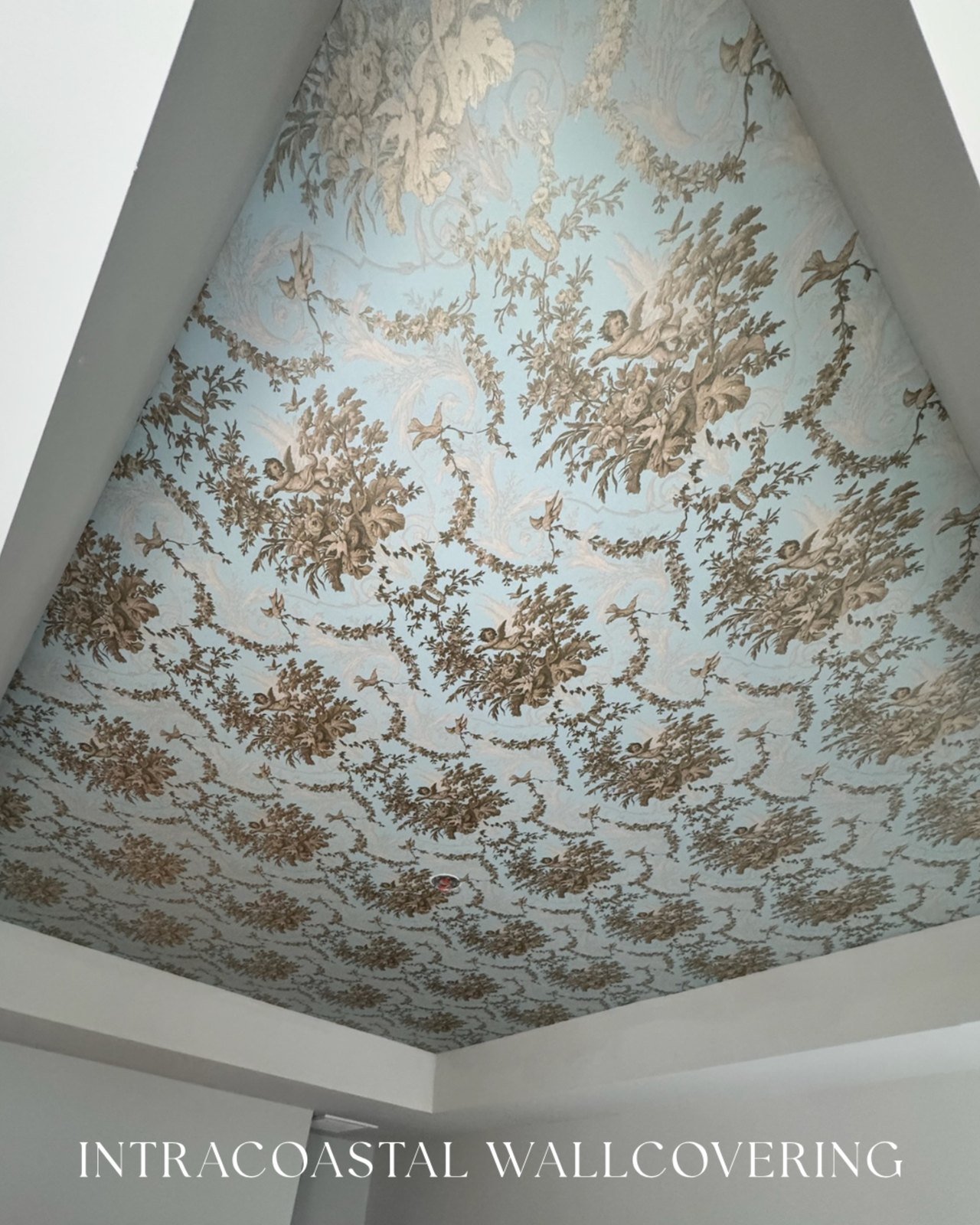
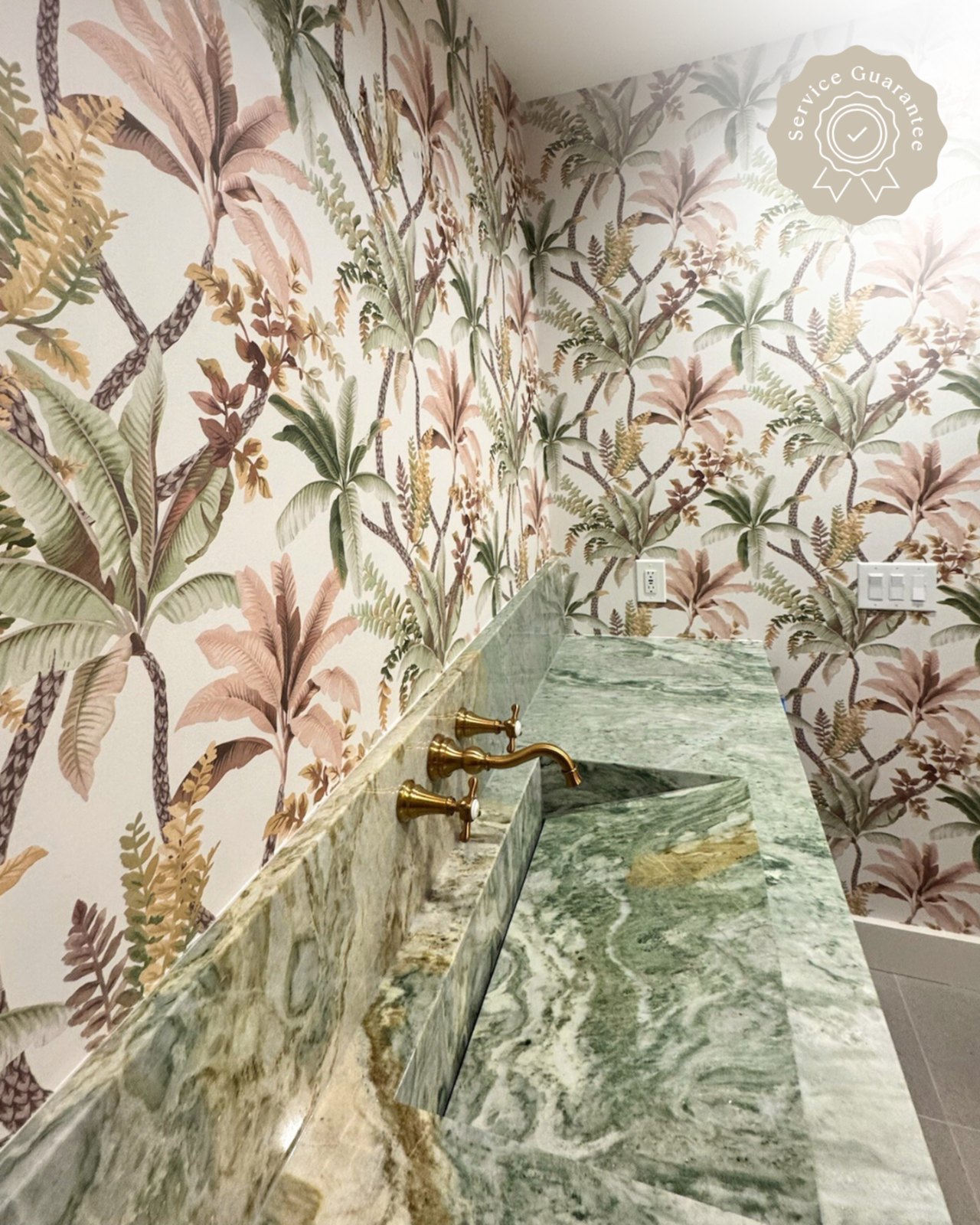
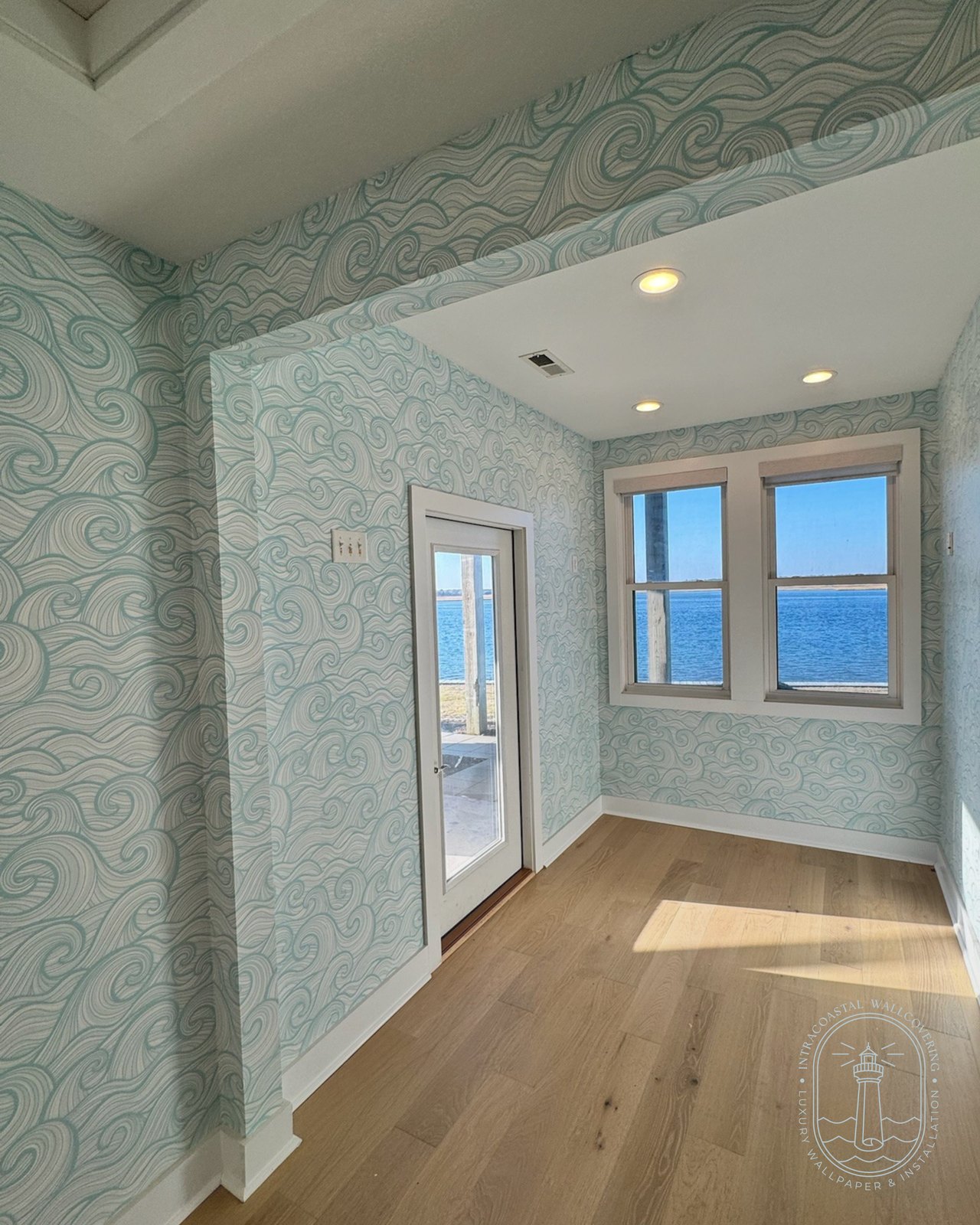
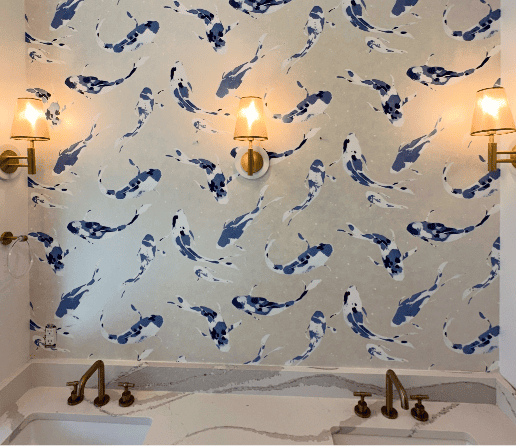
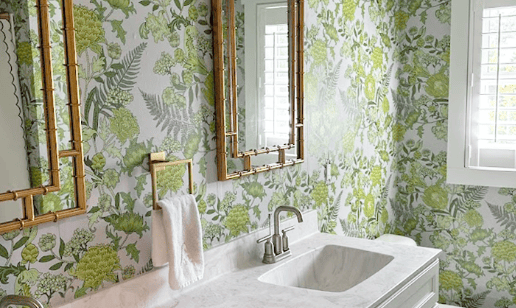
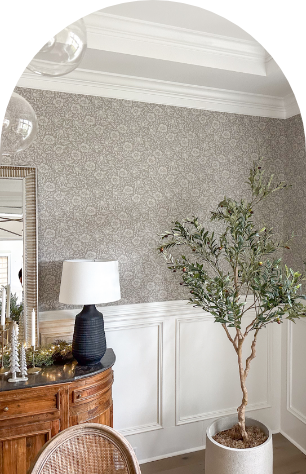
No road reaches Bald Head Island. Contractors use a separate contractor ferry from Deep Point Marina in Southport, about 35 road miles from our Judges Road shop. The crossing is four nautical miles and takes 20 minutes. For most of the year the contractor boat leaves the mainland on the half-hour and the island on the hour, starting at 5:30 a.m.
The village's contractor ferry rules shape everything an installer brings. Nothing carried aboard may run longer than 8 feet. Each item has to be safe for one person to carry, with no two-man loads. You get one trip onto the boat, so there is no going back for a second armload, and any cart is limited to two wheels. That boat also runs no tram and takes no checked luggage.
For wallpaper, those limits fall on the pasting table, the ladders, the long straightedge and the boxes of rolls. We plan the kit around them before the date is set, so everything crosses in a single trip. Once ashore, gas golf carts are banned on village streets and gas vehicles need a village permit, so getting gear to your door is part of that plan as well.
The walls themselves are usually straightforward. The median home there was built in 2002, and 58.6 percent dates from 2000 on, according to the Census Bureau's 2020-2024 American Community Survey. Almost none predates 1980.
Most of our customers have their paper picked out before they call, either their own choice or a designer's. If you are still deciding, send the pattern and we work out the roll count from its repeat, which matters more when a short order cannot be topped up by a quick drive. Your installer is our W-2 employee. Full method details sit on the page about how our wallpaper installation works.
Any old paper taken down and the wall repaired first
Primer or sizing matched to the paper
A plumb line set for the first strip
Seams matched to the pattern all the way around
Inside corners cut by hand, never wrapped
A look at the finished room together, then cleanup
The difference is packing. Every tool has to cross in one trip, carried by one person, at 8 feet or less, so the table, ladders and straightedge are the short versions. Rolls are counted and checked against the pattern before the crossing, because a missing roll cannot be fetched from the truck. Your paper either rides over with the installer or ships to the house ahead of time. On the island side, gear moves to your door by an approved cart or vehicle. Scraps, backing and empty boxes go back on the ferry with us rather than into your trash. Rooms that need a taller ladder get flagged early, since that is the one item the carry rules make hard.
A forgotten tool on the mainland can cost an island job its day. Our kit is sized to the 8-foot, one-person rule and checked before the boat, so the work starts when we land.
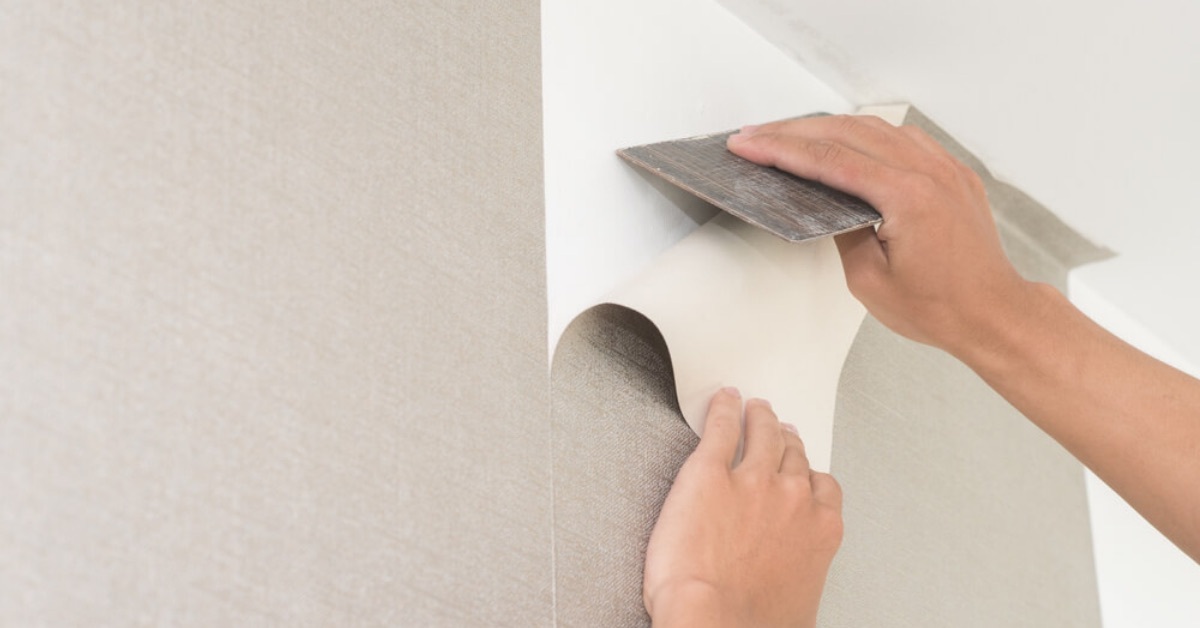
Short on paper with the nearest store a ferry ride away? We work out rolls from your pattern repeat before you order, so you order the full count once.
Each island installer works for a second-generation wallpaper company that also paints and belongs to the Wallpaper Installers Association. Inside corners are hand-cut, never wrapped, and the installer is on our payroll rather than subcontracted.
Our $2M general liability, workers' comp and auto coverage travel with the crew. We answer the phone, and we call before we arrive, so nobody is waiting at an empty house.
From the first conversation to the finished room.
01Use the instant estimate and give the ceiling height and where your paper is. A tall stairwell or a vaulted room changes what ladder has to cross.
02We confirm the roll count from the pattern repeat. Booking usually runs two to three weeks out, and the date is matched to a contractor ferry departure.
03The installer crosses with a kit built for the 8-foot, one-trip rule and moves it to your house by approved transport.
04Old paper comes down, the wall is prepped, and the paper goes up. You see the room finished, and our 1-year workmanship guarantee covers the installation.
The instant estimate prices the room itself. These drive the number:
Wall square footage and ceiling height
The paper: grasscloth, vinyl and other papers hang their own way, and unpasted papers hang differently
Pattern repeat, which sets the waste at each seam
Any old paper to remove and the wall repair after it
The island adds a second set of costs that has nothing to do with your walls: the crossing itself, marina parking on the mainland, and moving gear from the landing to the house. Contractor ferry fares are not published, so we cannot print a figure here. Bald Head Island homes skew newer, with a 2002 median build year, so most rooms involve less wall prep than an older house would. Either way, the quote is the quote we honor. Military households get 10% off.
Repainting the rooms around the paper, from the same company.
We source trade papers and track down a specific pattern, so the full order arrives before the crossing.
Each community on our service list, island or mainland.
From our Wilmington base, we serve Bald Head Island and the surrounding Brunswick County area, plus the rest of the coastal Carolinas corridor.
Tell us the ceiling height and where your paper is for an instant estimate.